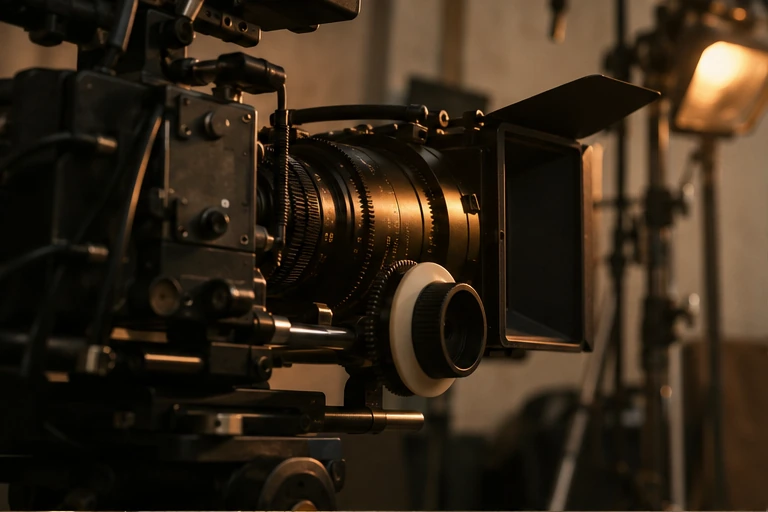
A treatment gives a film its first shape. It sets down the decisions that would otherwise compete for attention on the day of the shoot.
Start with the viewing moment
Picture where the finished film will be seen. A twenty-second vertical piece watched on a phone has a different opening from a short film projected in a room. Duration, sound and frame shape belong in the conversation from the beginning.
Write a sentence describing what the viewer should remember. During the edit, that sentence becomes a practical way to decide which shots belong.
Give each reference a purpose
An image reference can describe several things at once. Identify exactly what you are borrowing from it: the distance to the subject, the softness of a shadow, the colour of a room or the pace of a movement. Two people can look at the same photograph and take away entirely different instructions.
Leave room for the shoot
Name the moments the film needs, then separate them from the shots that would be good to have. A small, clear list protects the story when light changes or time runs short. It also leaves room to recognise something better when it happens in front of the lens.